IGG Deputy Sounds Alarm Over NIRA Service Delays, Staff Shortages and Accountability
By Our Reporter
The Deputy Inspector General of Government (DIGG), Mrs. Anne Twinomugisha Muhairwe, has challenged the National Identification and Registration Authority (NIRA) to tackle administrative weaknesses, strengthen accountability and urgently improve service delivery as concerns emerge over staff shortages, customer care and institutional efficiency.
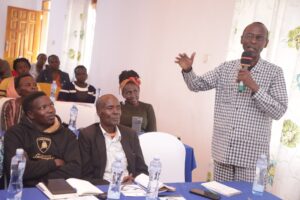
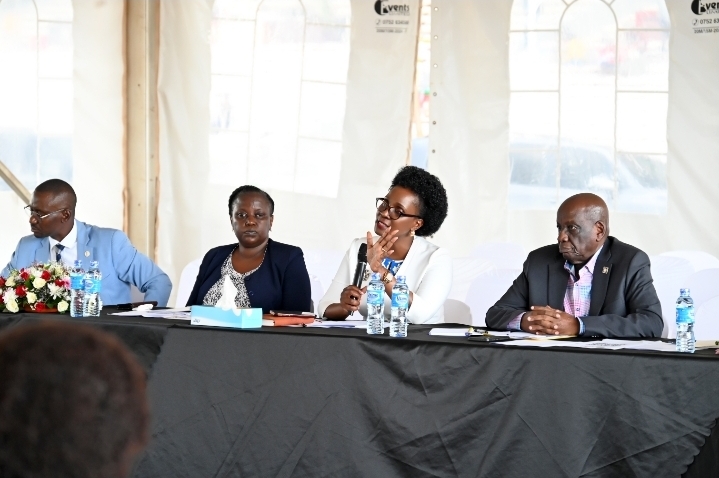
Muhairwe made the call during a meeting with NIRA Board members and management organised by the Inspectorate of Government (IG) as part of activities to commemorate International Ombuds Day 2026. She urged the authority’s leadership to turn the ongoing leadership transition into an opportunity to restore public confidence, strengthen professionalism and establish a culture in which transparency and accountability guide daily operations.
She disclosed that the Inspectorate continues to receive complaints about administrative challenges in public institutions, including alleged recruitment and procurement irregularities, financial management concerns and weaknesses in institutional culture. Muhairwe explained that the Ombudsman’s mandate extends beyond investigating complaints to facilitating dialogue, mediation and early intervention to resolve disputes before they escalate and disrupt institutional performance.
The Deputy IGG emphasised that NIRA must deliver services in a manner that respects citizens’ rights, protects personal information and upholds the law. She called for better customer care, realistic management of public expectations and adequate coordination between service demand and available resources to minimise delays. “Prioritise efficient and courteous service, manage client expectations and align service demand with available capacity to minimise delays and improve the experience of citizens seeking services,” Muhairwe said, warning against practices that subject citizens to unnecessary financial demands.
Attention also turned to the welfare of NIRA employees, with Mr. Kakooza Savio Ntensibe, Director of the Directorate of Ombudsman Affairs, urging Executive Director Rosemary Kisembo to ensure that staff salaries are paid on time. He observed that timely remuneration is essential for employee motivation, institutional stability and effective service delivery. Mr. Gwaira Gerald, Director of the Directorate of Research, Education and Advocacy, separately reminded officials to declare their income, assets and liabilities within the timelines stipulated under the Leadership Code.
In her response, Kisembo identified staff shortages as a major challenge limiting the authority’s operational capacity and affecting its ability to serve citizens efficiently. She welcomed the Inspectorate’s intervention and pledged to organise a staff sensitisation session to explain the Ombudsman’s role and responsibilities. The proposed engagement will also provide employees with an opportunity to raise concerns, discuss workplace challenges and contribute ideas for improving the institution’s administration and service standards.
NIRA Board Member Dr. Hatwib Mugasa stressed the importance of complying with data management requirements to protect sensitive information held by the authority. Board Member Samuel Akena commended Kisembo for steering the institution despite existing resource constraints. Muhairwe also recognised the Executive Director’s willingness to take on the leadership responsibility, urging NIRA and the Inspectorate to maintain constructive cooperation in addressing administrative shortcomings and strengthening public sector accountability.
The meeting highlighted the need for NIRA to address staffing gaps, improve employee welfare, strengthen data protection and eliminate administrative practices that undermine public confidence. The Inspectorate reaffirmed the importance of its Ombudsman function in helping public institutions resolve grievances, correct administrative weaknesses and uphold integrity. For NIRA, the challenge now is to translate these engagements into practical improvements that make national identification and registration services more accessible, efficient and responsive to the needs of Ugandans.