Uganda Economic Forum Closes as URA Defends TIN-NIN Linkage and Urges Businesses to Embrace EFRIS
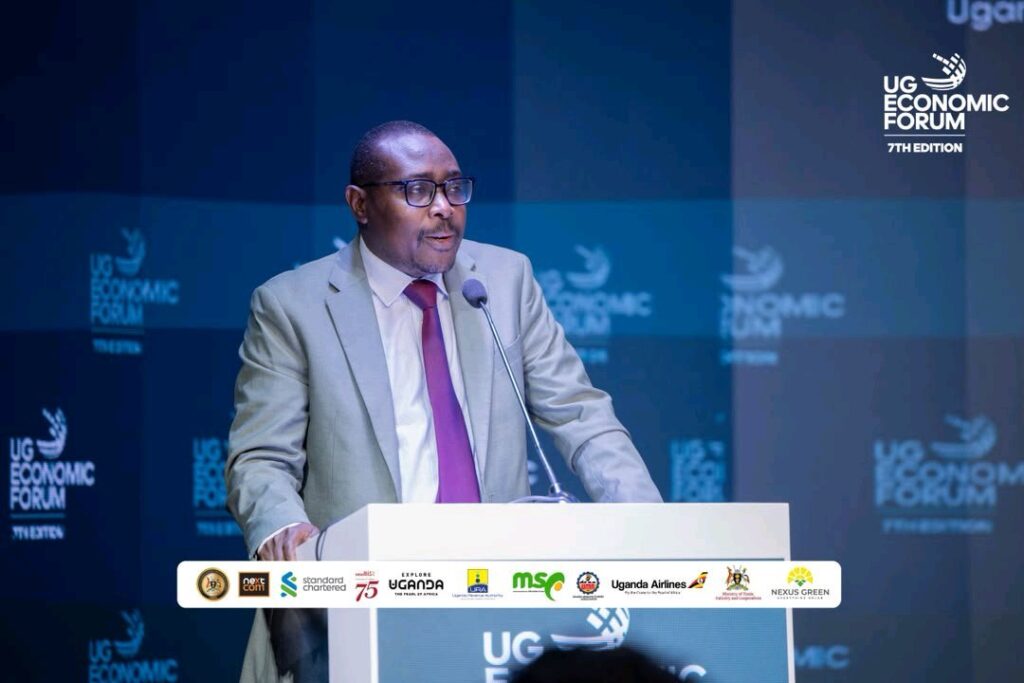
The Uganda Revenue Authority (URA) has clarified that connecting Tax Identification Numbers (TINs) to National Identification Numbers (NINs) will not automatically make every Ugandan liable to pay taxes, as the seventh Uganda Economic Forum concluded with calls for improved business practices, increased incomes and greater use of technology. URA Commissioner for Domestic Taxes Dennis Kugonza Kateeba said the initiative is designed to make tax administration more efficient while improving the delivery of government services.
Kateeba explained that the integration would enable government institutions to exchange relevant information more effectively, reducing the burden on citizens who are often required to present the same documents when seeking services from different agencies. He said the arrangement would improve coordination across government departments and simplify administrative processes for the public.
Addressing concerns about the linkage, Kateeba stressed that possessing a NIN connected to URA does not automatically create an obligation to pay taxes. He explained that tax liability is determined by a person’s economic activities and the relevant tax laws, meaning that the linkage itself should not be interpreted as a declaration that every citizen is a taxpayer.
The commissioner also called on business owners to adopt the Electronic Fiscal Receipting and Invoicing Solution (EFRIS), highlighting its potential to improve record-keeping and make tax compliance easier. According to Kateeba, businesses that maintain accurate financial records can better manage their operations, reduce accounting expenses and demonstrate their financial performance when seeking credit from banks and other lenders.
The forum also highlighted difficulties within Uganda’s creative industry, particularly the limited understanding of intellectual property rights among artists and other content producers. Kenneth Muhangi, a partner at KTA Advocates, said some creatives fail to earn the full value of their work because they do not understand how their rights are protected or how royalties are collected and distributed. He encouraged them to become more informed about the legal and commercial aspects of their creations.
UgaTunes Chief Executive Officer Shadrack Kisame called on musicians and other creatives to improve their professionalism and embrace digital platforms as additional sources of income. He observed that creators should look beyond live performances and explore opportunities to earn money from their work online. Platforms such as UgaTunes, he noted, can help artists reach audiences and generate revenue even when they are not appearing on stage.
The seventh edition of the Uganda Economic Forum ran for four days under the theme of putting money into people’s pockets. It brought together stakeholders from different sectors to discuss ways of turning Uganda’s economic opportunities into higher household incomes, stronger businesses and more employment. Participants also explored the potential of tourism, mineral development and preparations for the Africa Cup of Nations (AFCON) to attract investment, create jobs and improve livelihoods.
As the forum came to a close, discussions centred on the need for practical solutions that can help Ugandans benefit more directly from economic development. Stakeholders emphasised technology adoption, sound financial management and improved professional standards as important steps towards sustainable growth. The forum concluded with a call for government agencies, businesses and industry players to work together to expand economic opportunities and ensure that the country’s resources translate into meaningful benefits for citizens.