KCCA Cautions Landlords and Developers Over Unsafe Buildings as Kampala Marks Disaster Risk Reduction Day

Kampala Capital City Authority (KCCA) has warned homeowners, landlords and developers against constructing unsafe buildings, urging them to obtain building permits, use quality materials and work with qualified engineers to protect lives.
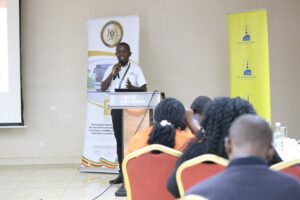
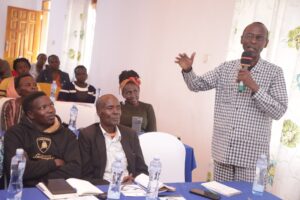
The warning was issued by KCCA Deputy Executive Director Benon Kigenyi during the commemoration of the International Day for Disaster Risk Reduction 2026, held at the KCCA grounds on Tuesday, October 13.
The event was organised under the theme “Resilience Starts at Home: Call for Good Practices,” with a focus on improving household safety and preventing disasters through responsible construction and proper home management.
Kigenyi said buildings constructed without approved plans, proper materials and professional supervision can expose occupants to serious danger, turning homes that should provide shelter into potential death traps.
“A building constructed without quality materials, a building permit and a qualified engineer is not a home but a grave. Resilience starts at home. A home built on a wetland is not affordable housing; it is a future funeral,” he warned.
He called on developers to follow building regulations, secure the necessary approvals from KCCA and engage qualified engineers to ensure that buildings meet the required safety standards.
Kigenyi explained that disaster prevention should begin before construction starts because the decisions made during the planning and building stages can determine the safety of occupants for years.
He added that spending money on proper construction is far less costly than dealing with the loss of lives and property resulting from building collapses, fires and other emergencies.
“Disasters break families and destroy homes. We must recognise that resilience starts with the places where we live and the choices we make every day,” Kigenyi said.
The KCCA deputy executive director also reminded landlords of their responsibility to provide basic facilities in residential buildings, including toilets, adequate ventilation and access routes that allow emergency services to respond when needed.
Residents were equally encouraged to identify and address hazards in their homes, particularly faulty electrical connections and unattended charcoal stoves that could trigger fires.
## KCCA Raises Concern Over Flooding and Blocked Drainage Channels
KCCA Director of Engineering and Technical Services, Eng. Justus Akankwasa, said disaster risk management must be part of Kampala’s planning, construction and infrastructure maintenance processes.
He identified flooding, fires and unsafe buildings among the major threats that require continued attention, emphasising that compliance with approved construction standards is necessary to safeguard people and their property.
Akankwasa said KCCA had not recorded a building collapse involving a structure constructed with an approved building permit, stressing the importance of following the established approval process.
He also pointed to Kampala’s geographical features, including its hills and valleys, alongside increasing development and pressure on drainage systems, as factors that make flooding a major concern for the city.
The director urged developers and residents to stop building in wetlands and drainage channels, explaining that such activities interfere with water flow and can increase the risk of flooding.
He further called on residents to dispose of rubbish properly, noting that waste frequently returns to drainage channels even after KCCA has carried out cleaning operations.
According to Akankwasa, blocked drainage channels prevent stormwater from flowing freely, particularly during heavy rainfall, potentially causing flooding in neighbouring communities.
He warned that buildings constructed inside drainage channels or structures obstructing the movement of water would be removed, urging developers to respect planning requirements.
Davis Caxton Mandu Mwenyi, the Commissioner for Relief, Disaster Preparedness and Management at the Office of the Prime Minister, said disaster risk reduction requires collective responsibility from government institutions, local authorities, builders and households.
Mwenyi noted that investing in prevention and preparedness is more affordable than responding to disasters and rebuilding homes and infrastructure after destruction has occurred.
Agnes Bugaba, Manager of KCCA’s Risk Management Unit, said this year’s theme highlights the importance of safe homes, household preparedness and cooperation in reducing disaster risks.
She emphasised that homes should protect families from danger and that achieving this requires sound construction practices and awareness of possible hazards.
The commemoration also featured practical demonstrations by the Uganda Red Cross Society on rescue techniques and emergency response, helping participants understand how to act during disasters.
The event concluded with a call for government agencies, construction professionals, landlords, developers and residents to take responsibility for preventing avoidable emergencies.
KCCA emphasised that protecting Kampala from disasters requires action at both household and community levels, including securing building permits, protecting wetlands, maintaining drainage channels and identifying dangers within homes.
As the city continues to expand, the authority says responsible construction and everyday safety practices remain essential to protecting families, reducing disaster risks and creating safer communities.