Pallaso Reveals Where Concert Money Really Comes From, Takes Aim At Foreign Acts Trend
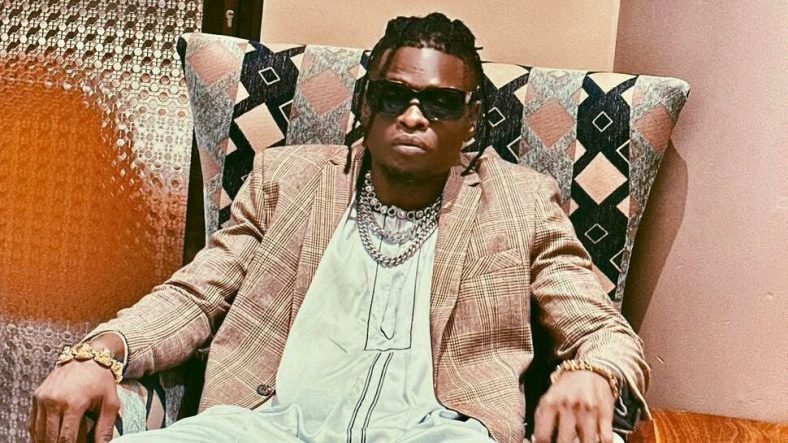
Ugandan music star Pallaso has offered a different perspective on the debate over concerts charging UGX 20,000 or UGX 30,000, dismissing the idea that affordable entrance fees automatically leave artists struggling to make profits.
The singer explained that gate collections serve an important purpose, particularly in helping organisers settle the numerous costs associated with putting on a concert. Among the expenses are payments to service providers and tax obligations owed to the Uganda Revenue Authority (URA).
Pallaso revealed that the more lucrative side of his concerts can come from sources beyond the ordinary entrance tickets. He particularly pointed to table sales, saying artists with strong relationships can benefit greatly from friends, supporters and other people within their social circles.
To demonstrate the potential earnings, Pallaso cited a scenario where an artist sells 10 tables at UGX 5 million each. Such sales would generate UGX 50 million, showing why table bookings can become a major component of a concert’s overall revenue.
“Your social network is your social net-worth. If a table is 5 million and I sell about 10 of them, that’s 50 million,” Pallaso said, stressing the importance of having a strong network when organising income-generating events.
He also pointed to sponsorships as another important financial pillar for concerts. In his view, artists who combine sponsorship money, table bookings and entrance fees can create a stronger business model instead of depending entirely on money collected at the gate.
Pallaso further criticised the growing fixation on international performers and Amapiano acts among some Ugandan promoters, saying social media trends have increasingly influenced the choices being made within the entertainment industry.
He, however, maintained that hosting foreign musicians and embracing popular music trends is not necessarily a problem. His concern is that local artists should not be overlooked, urging promoters to deliberately support Ugandan talent and give homegrown musicians the investment and opportunities needed to grow.