KCCA Trains Officials on Using Data to Improve Infrastructure Planning and Accountability

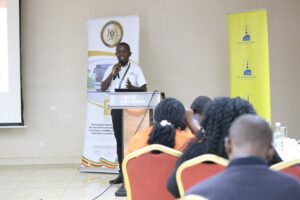
Kampala Capital City Authority (KCCA) has introduced a specialised training programme aimed at strengthening the ability of its officials to use data when selecting, evaluating, and implementing infrastructure projects across the city.The training, held at Fairway Hotel on June 5, 2025, focused on improving transparency, accountability, and decision-making in Kampala’s development programmes by ensuring projects are guided by reliable information and community needs.
The initiative was organised in partnership with the Infrastructure Transparency Initiative (CoST) and the African Freedom of Information Center (AFIC), with the goal of equipping public officials with skills needed to plan more effective infrastructure projects.Participants were trained on how to collect, analyse, and apply important data to ensure infrastructure investments are technically appropriate, socially beneficial, and responsive to residents’ concerns.Speaking on behalf of KCCA Executive Director, Head of Public and Corporate Affairs Daniel Nuweabine said data plays a critical role in strengthening governance and ensuring public projects deliver value to citizens.He noted that improved data collection gives authorities better tools for planning while also allowing citizens to track and demand accountability in the use of public resources.During the training, officials examined 32 important data areas used in assessing infrastructure projects, including social impact, environmental considerations, sustainability, and public accountability.Deputy Director of KCCA’s Procurement and Disposal Unit, Doreen Akatuhwera, highlighted the Authority’s partnership with CoST, saying the collaboration has contributed to improvements in procurement processes and increased integrity in project implementation since 2017.
She said continued cooperation with transparency organisations helps improve confidence in city projects and strengthens the effectiveness of infrastructure development efforts.AFIC Executive Director Gilbert Sendugwa emphasised the importance of proper planning in public infrastructure, noting that facilities such as schools, health centres, and markets directly affect the daily lives of residents.
He warned that inadequate planning can result in challenges such as flooding, poor accessibility, and inefficient use of resources, making data-driven approaches essential in urban development.The training also involved discussions on incorporating public feedback, environmental protection measures, and accountability systems into infrastructure planning and monitoring.KCCA said the programme reflects its commitment to evidence-based and inclusive development, with the aim of improving service delivery, strengthening public trust, and ensuring Kampala’s infrastructure growth benefits all residents.